Wednesday, 23 July 2014

Irawaddy Dolphin

Pink dolphin tours in Koh Samui
http://www.amazingthailandholidays.com/fr/koh-samui/tours-trips/dolphins/pink-dolphins-discovery/

Scientific name: Orcaella Brevirostris

Fact:  The Irrawaddy Dolphin is a slow moving species and can reach a speed of 25 miles per hour. They aren't well known for bouncing around and doing general dolphin things however they have been seen bounding out of the water from time to time 

Length: 5.9-9 Feet

Weight: 198-440 Pounds

Lifespan: 5-32 years

Natural habitat: Lakes, Rivers, Estuaries and Coasts (specifically the Mekong River)

Sexual maturity: 4-9 years of age

Gestation: 9-14 months and produces one offspring about every 2-3 years 

Litter: 1

Predators: HUMANS

Threats: Water poisoning, collisions with boats and getting caught up in nets. Also the potential building of the Don Sahong Dam (see the post I wrote about this here: http://jessiegirl-wildaboutanimals.blogspot.ca/2014/07/irrawaddy-dolphin-and-don-sahong-dam_23.html )

Diet: Fish, Eggs, Mollusks, Aquatic crustaceans 

Interesting facts: The Irrawaddy Dolphin is like other dolphins a warm blooded mammal meaning they give birth, make milk and breath air. They are protected animals and the hunting of them will result in fines and jail time. The longest time recorded for a Irrawaddy dolphin to hold it breath is 6 full minutes. Also like other dolphins they do use echolocation to navigate their way around and locate food. They have a rounded head that looks as if they were related to the beluga whale although they are much closer related to the orca whale. They feed together in groups of less then 6 but can be as many as 15 dolphins. They are well known to spit water in order to herd up fish. In some places fisherman will convince the dolphin to heard up fish in to their nets and that dolphin also benefit as they catch any of the confused or dazed fish that don't make it into the net. 

Endangerment statute: Critically endangered  (highest endangerment status)

Want to help: Sign the petition to keep from the building of the dam that will lead the their extinction


Irrawaddy Dolphin and the Don Sahong Dam


Credit: reuters/dipani sutaria/handout http://www.reuters.com/article/2007/05/24/us-dolphins-accents-idUSL2457438420070524

Hi my name is Jessica and I am a strong believer in the protection of wildlife and conservation of the wild world that surrounds us. Yesterday I came across a post on Facebook from the World Wildlife Fund (WWF or World Wide Fund For Nature), a well known conservation organization. The WWF helps protect all animals worldwide and tries to keep them from the dangers of extinction, poaching and habitat loss as well as many other threats. Since it is their goal to protect all animals they do all they can to bring attention to wildlife in need, unfortunately they can't reach the ears of everyone. Luckily I came across the post they made and I would like to help spread this information. WWF has stated that there is a Dam being built in the Siphandone area of Southern Laos in the Mekong River, unfortunately this is also the habitat of the Irrawaddy dolphin. The building of this dam could result in the extinction of these Critically endangered animals (highest endangerment rate possible). How you ask, well in order to clear the rocks and debris from the area where the dam will be built they will have to have numerous explosions, this will send dangerously loud sound waves through the water. The effect of this could potentially kill these dolphins who are equipped with highly sensitive hearing and if the blast doesn’t kill them there will be increased boat traffic, changes in water quality, habitat destruction and loss in food. An estimated 91 Irrawaddy dolphins are left in the world and approximately 85+ of them live in the Mekong river. However the creation of this dam will not only affect the dolphins that inhabit but the locals that live there as well. A lot of the locals livelihood depend on fishing in the Mekong. The blasts and the development of the dam on a whole will have consequences on the migration patterns of the fish that breed and live in this river, as it will block the channel leading into and out of the Mekong. This means that there will be a minimal amount of fish migrating to said area affecting the fisheries that reside in Southern Laos. The results will be less fish to catch leading to less fish being sold and there will be less fish for the people and dolphins to eat. The loss of the dolphin will be devastating to the locals as well because they are very helpful in that the fisherman often coax the dolphin to herding fish into their waiting nets(The dolphins do this by spitting water at whatever is needed to be herded). The dolphin also benefits because it can easily catch all the fish that are left behind as they end up dazed and confused by the sudden loss of everything around them. The extinction of the dolphins will also affect the economy of Southern Laos as the Irrawaddy dolphins are a huge tourist attraction and the disappearance of the dolphin will cause a great decrease in the amount of tourists visiting meaning less people are going to spend their money. As you can see the building of this dam will affect both animals and people alike. WWF has a petition that they have set up to try and stop the building of this dam and it is now crunch time to get enough signatures as the construction of the dam is scheduled for later this year. Please take a minute to provide your signature as it would be a great shame to lose these amazing creatures. If you have any questions on the dolphins you can email the WWF by going to this link (http://worldwildlife.custhelp.com/app/ask) you can also see the post on my blog where I will have all about the dolphin with information and facts (http://jessiegirl-wildaboutanimals.blogspot.ca/2014/07/irawaddy-dolphin.html)

(Please leave a comment below if you signed so I can thank you) 

The Petition:
More Information on the dam and the dolphin: http://d2ouvy59p0dg6k.cloudfront.net/downloads/dolphin_report_eng.pdf
More information on the affects on fish migration:


Thursday, 15 August 2013

Nine-banded armadillo

Scientific name:Dasypus novemcinctus

Fact: The Nine-banded armadillo uses its sharp claws for digging and not defending its self.

length: Body up to 32 inches and the tail up to 14 inches

Weight:12-15 pounds
/>
Lifespan:12-15 years

Natural habitat: South-central and Southeastern parts of the US. Central America to South America, Peru, and Uruguay also in the Caribbean.

Sexual maturity: 6-12 months

Gestation:120 days

Litter: Always 4 identical young of the same sex

Predators: Coyote, Bobcats, Cougars, Wolves, bears, Raccoon and Large birds of prey 

Diet: Insects, small animals, birds, eggs, fruit, roots and carrion

Interesting facts: The only armadillo of the species able to swim. It does this by filling its intestines and stomach with air which helps it float. Also with small streams it can walk on the bottom by holding its breath. Using its tongue armadillos can eat 40,000 ants in one feeding. The name armadillo comes from the word armado which means one that is armed. When digging for prey they avoid getting dust in their nose by holding their breath for 6 minutes. Their armor is a bunch of hard bone scales.

Endangerment status: common


Arctic Wolf


Scientific name: Canis lupus arctos

Fact: wolves will often go with out food so when they do get some they can eat up to 100 pounds of meat at a time

Height/length:25-31 inches and 3-5 ft

Weight:175 Lb but females are lighter than males

Lifespan:7 years average

Natural habitat: Throughout the arctic

Sexual maturity: Males: 3 years Females: 2 years

Gestation: 53-61 Days

Litter:4-5

Predators: Polar bears, other wolves and humans

Diet: arctic hares, musk ox, caribou and lemmings

Interesting facts:lives in a pack with up to 30 wolves but usually 7-10 wolves. food is so scarce in the arctic that the wolf does not waste a single bit they will eat the skin, fur and bones. they younger pack members are the ones who will watch the cubs as the mothers go hunting. Within the pack there is a hierarchy and the dominate wolf will often make wolves lower then him roll on their backs in a submission . Yet even with this display of dominance there is very little friction in the packs.  

endangerment statute: least concern

want to help:http://www.defenders.org/support-our-work

Wednesday, 14 August 2013

Spotted Hyena


Scientific name: Crocuta crocuta

Fact: Hyena's resemble a dog but is more closely related to a cat

Height:5 1/2 ft (female larger than males)

Weight: 130-175 lb

Lifespan: Up to 25 years

Natural habitat: open grass land in africa south of the sahara except southern south africa and the congo

Litter: 2-3

Predators: Lions, hunting dogs and humans

Diet: hunts wildebeest and zebra but also scavenge

Endangerments status: least concern but are declining due to hunting and the stereotype that these animals are "evil"

Interesting facts: Hyenas cough up indigestible food in pellet form. a hyena can chase and kill a prey upto 3 times its size. Hyenas were once thought to be both female and male due to their genitals looking similar. Hyenas howl to the ground unlike wolves who howl upwards. Hyenas are able to bite through bone. If hyena cubs are the same sex one will kill the other.

help the spotted hyena at: http://www.awf.org/donate

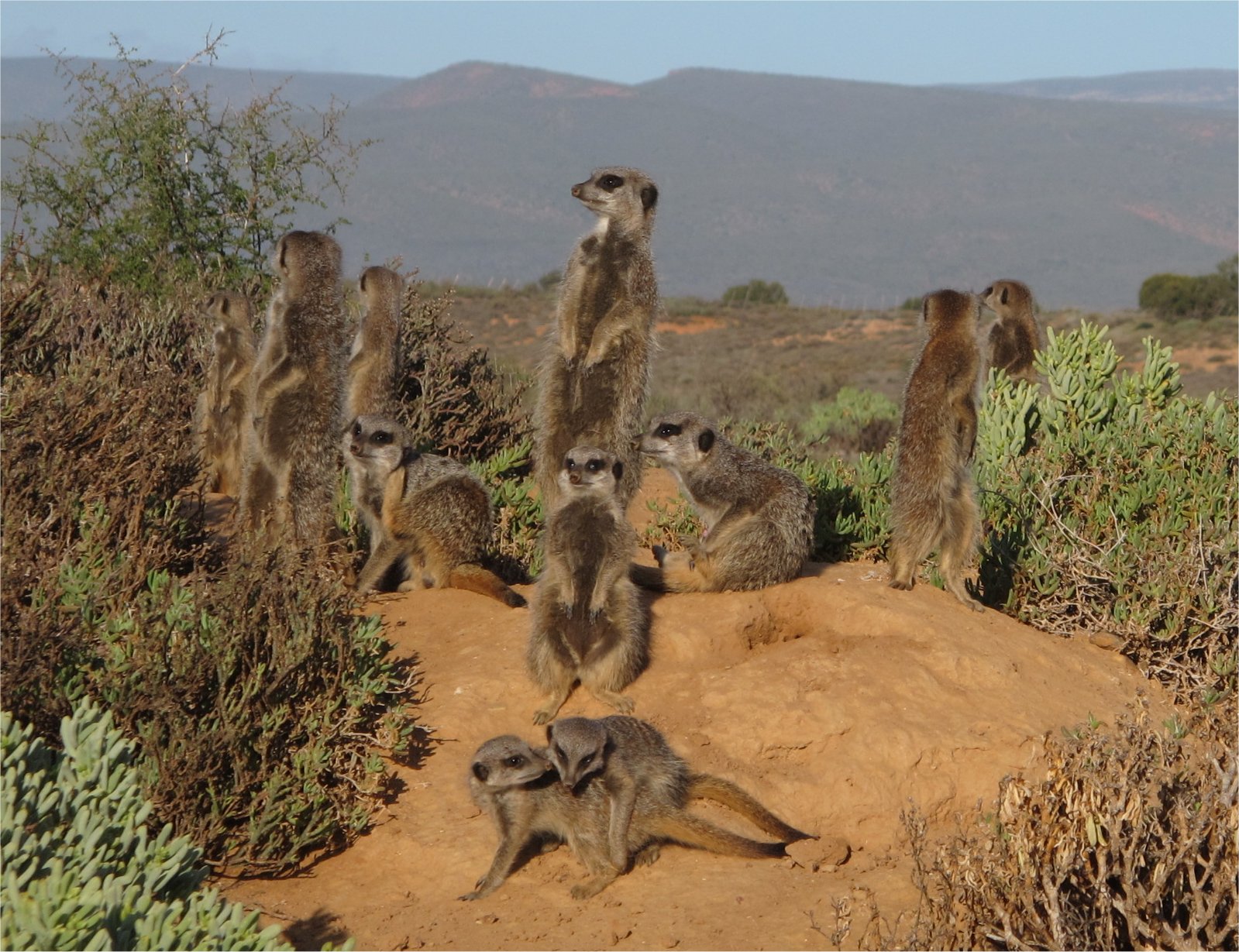
meekat


Scientific name: suricata suricatta

Fact: a meerkat can dig through a amount of sand equal to its size in meer seconds

Height:20in

Weight:2 pounds

Lifespan: Around 10 years

Natural habitat: open country side specifically in southern Africa

Litter: 4-5 young

Predators: Other meerkats (territory not for food), birds of prey, large snakes and mammals like the hyena

Diet: Mainly insects also large eggs, lizards and some plants

Endangerment status: Low risk

Interesting facts:
Meerkats are immune to scorpion and snake poison. They group together to scare off predators much larger than themselves. Meerkats use their tails so they can balance as well as using it to signal. Meerkats are like a small society they have the baby sitter to look after the young. The teacher to teach the juvenile to hunt also the sentry and hunters.

Want to help conservation:https://wwfstore.donorportal.ca/p-125-meerkat.aspx

Thursday, 9 May 2013

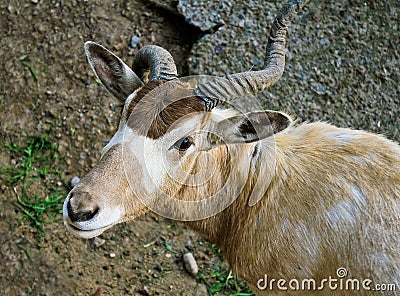
Addax


scientific name:Addax nasmaclatus

fact: their tough skull absorbs the impact of when the two males head but one another usually over dominance and mating

height:3-3'7 feet

weight:132-276 pounds

lifespan:6-8 years

natural habitat:they live in the desert areas of upper africa

litter: 1

predators: humans are the main preditors

diet:desert grass and shrubs

Interesting facts: when the mother is about to have her baby she goes away from the heard and the baby and mom stay away for 6 weeks to return and then the heard go in search of food

A good website:http://www.theanimalfiles.com/mammals/hoofed_mammals/addax.html
Want to save them
http://www.conservationcenters.org/species-conservation-priorties/addax/

Monday, 6 August 2012

Harp Seal


scientific name: phoca groenlandica


small fact: females only nurse their young 10 minutes every hour but the pup i otherwise alone.

length:160-190cm or 63-75in
weight:130-160kg or 287-353lbs

lifespan:30-35years

natural habitat: Arctic and north Western Atlantic and breeds in the gulf of st.Laurence off Newfoundland,east of green land and in the white sea.

litter: 1 pup and are usually weaned in 12 days

predators:polar bears and humans who hunt young harp seals for there fur.

diet:feeds on fish such as capelin,cod and herring also crabs and types of squids

Interesting facts: while most seals use there front flippers to move harp seals use there back flippers.
the harp seals front flippers are more paw like. the dark patches on these seals are lighter on females then males. adult harp seals have black heads and a black harp shape on there backs which gives them their names. harp seals are mostly in the ocean except to give birth in which there can be up to 2000 seal per square kilometre.

A good website: http://www.thesealfishery.com/facts1.php

want to save them:
 http://www.harpseals.org/index.php
 http://savetheharpsealpups.webs.com/


Bengal tiger

scientific name: Panthan Tigris Tigris 


small fact: A tiger roar can be heard from 3 km away. 

Endangerment status : endangered 

height: 5ft-6ft and 2ft-3ft for the tail 

weight: 240-500 pounds 

lifespan: 8-10 year in the wild 

natural habitat:oak wood, forests, tall grass lands, swamps and marshes. They are also indigenous to India and are also known as the Indian tiger.


litter: they have about 3-4 cubs 

predators: leopards,hyenas,pythons,crocodiles and other tiger will prey on the Bengals young the only predator the adult will have is most likely a lion and another tiger 

diet: they will eat anything from termites to an elephants young. but are most like to eat moose,deer,pigs,cows,horses,buffalo and goats 


Interesting Facts: 
there were 8 tiger subspecies at one time but 3 became extinct during the 20th centuary. They are extreamly good swimmers unlike most felines. 

Friday, 23 March 2012

mountan Gorillas


scientific name:gorilla gorilla beringei

small fact:gorillas rarely attack humans

height:gorillas can be up to 6 feet tall

weight:300 to 425lbs

lifespan: 53 years in captivity

natural habitat: dense or rain forests

litter:they will only have one baby but like humans it is possible to have twins.

predators:cheetahs and humans

diet:they are vegetarian there diets consist of celery,bamboo,thistles,stinging nettles,bedstraw and certain fruit.

Interesting facts:there are roughly 700 mountain gorillas left on earth. mountain gorillas have longer hair and longer arms than lowland gorillas they also tend to be a bit larger then other gorillas.

A good website:http://www.outtoafrica.nl/animals/enggorilla.html?zenden=2&subsoort_id=1&bestemming_id=1

Want to save them
https://www.awf.org/wildlife-conservation/mountain-gorilla
http://worldwildlife.org/species/mountain-gorilla

Thursday, 11 August 2011

new blog

check out my new blog http://jessiegirlds-pets4u.blogspot.com/

Saturday, 11 June 2011

poler bear

scientific name:acinonyx jubatus

small fact:can run 70 miles an hour

length:115-135 cm long

height: Males-8-10 feet tall
Females-6-8 feet tall`1234567890-
][poiuytrewq
weight:

lifespan: 15-18 years in the wild and mid to late 30 in captivity

natural habitat: is in the extremely cold areas of the world. they live in the arctic regions were the the temperatures are low and the water is cold.

litter:2 cubs followed by a litter of 1 cub

predators: the orca/killer whale

diet: Polar bears feed on ringed seals and bearded seals. Depending upon wear they also eat harp seals and hooded seals and scavenge on carcasses of beluga whales, walruses, narwhals, and bowhead whales.
When desperate they eat reindeer, small rodents, seabirds, waterfowl, fish, eggs, vegetation (including kelp), berries, and human garbage.


Interesting facts: Polar bear cubs learn to freeze and remain still while their mother hunts. If they move, the mother disciples them, with a whack to the head.A polar bear is so strong, that it can kill an animal with one blow from it's paw.Some female polar bears deviate from the one room den. They build dens with multiple rooms and even a ventilation system in the roof.

A good website:http://endangeredpolarbear.com/fun_facts_about_polar_bears.htm


Want to save them
http://www.polarbearsinternational.org/
http://worldwildlife.org/species/polar-bear